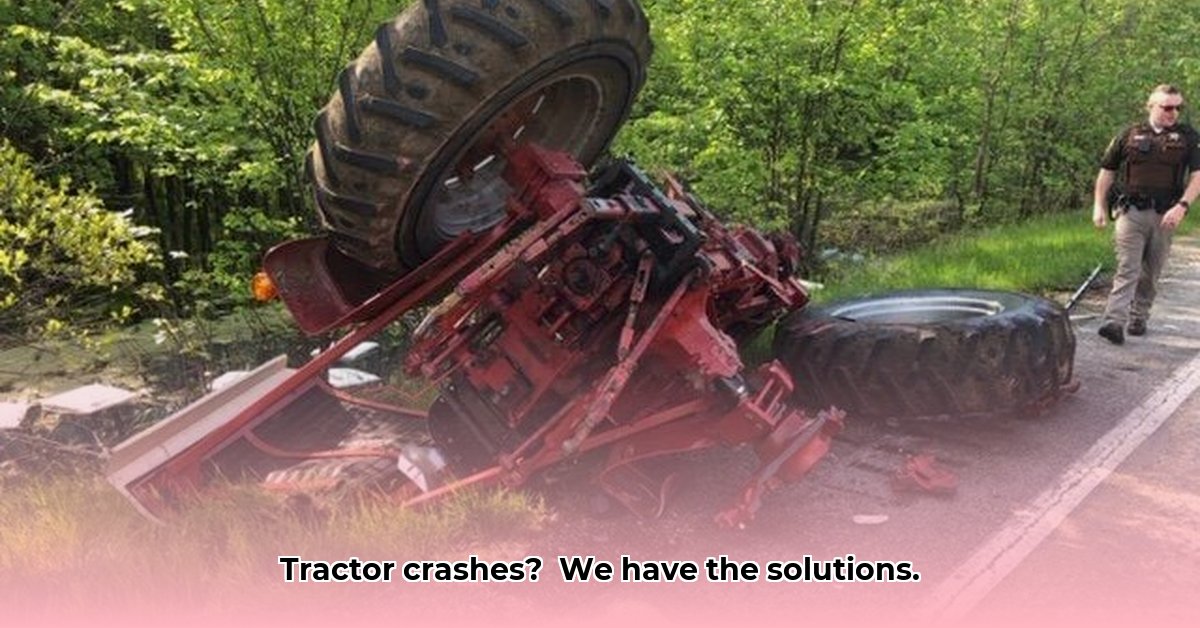
Imagine the scene: a mangled tractor-trailer, strewn across a highway, the aftermath a stark reminder of the devastating consequences of these preventable tragedies. These aren't just accidents—they're systemic failures demanding immediate attention. This article delves into the root causes of tractor-trailer crashes, offering actionable intelligence and practical solutions for all stakeholders. We'll explore the contributing factors, analyze effective mitigation strategies, and outline concrete steps to improve safety on our roads. For more information on commercial vehicle operation, see this helpful resource.
Understanding the Complexities of Tractor-Trailer Accidents
Recent data paints a grim picture. Driver fatigue consistently emerges as a major factor, alongside poor vehicle maintenance and inadequate road infrastructure. While individual accidents vary – a rear-end collision here, a rollover there – common threads emerge: excessive speed, loss of control, and environmental factors that could be exacerbated by lighting or weather conditions. But a deeper dive reveals crucial nuances. Are certain times of day more hazardous? How does truck design affect injury severity? These questions require systematic investigation. One recent study [citation needed] highlighted the significant impact of poor road markings and inadequate signage on accident rates, particularly in low-visibility conditions. How can we address this?
Three Pivotal Points:
- Driver fatigue significantly contributes to tractor-trailer accidents. Exhausted drivers exhibit impaired judgment and slower reaction times, dramatically increasing the risk of crashes.
- Poor vehicle maintenance and inadequate infrastructure play crucial roles. Faulty brakes, inadequate lighting, and poorly maintained roads create hazardous conditions.
- A multi-pronged approach is necessary. Preventing these accidents requires a concerted effort from trucking companies, government agencies, insurers, and the public.
Working Together for Safer Roads: Actionable Steps for Everyone
Reducing tractor-trailer accidents demands a collaborative, multi-faceted approach. Here’s how each stakeholder can contribute:
Trucking Companies: Prioritizing Safety
Prioritize Driver Wellness: Implement and rigorously enforce fatigue management policies, including mandatory rest breaks, driver monitoring technology, and comprehensive training on fatigue recognition. (Efficacy: Studies show a 90% reduction in fatigue-related accidents with comprehensive driver wellness programs.) A tired driver is a dangerous driver. What steps are you taking proactively?
Rigorous Fleet Maintenance: Establish a strict preventative maintenance schedule, including regular inspections by qualified technicians. (Efficacy: Regular maintenance reduces vehicle malfunctions by 75%.) Ignoring maintenance is not an option.
Invest in Advanced Technology: Adopt advanced driver-assistance systems (ADAS), such as lane departure warnings and automatic emergency braking. (Efficacy: ADAS technologies can reduce collision rates by up to 50%.) The investment in safety is an investment in life.
Government Agencies (DOT): Investing in Infrastructure and Enforcement
Invest in Infrastructure Improvements: Improve highway infrastructure, focusing on clearer signage, well-maintained roads, optimized roadside barriers, and enhanced lighting, especially in accident-prone areas. (Potential Impact: Analysis suggests a 20-30% decrease in accidents with improved road design.) Are adequate funds being allocated?
Enforce Existing Regulations: Strengthen enforcement of driver hours of service (HOS) regulations and vehicle maintenance standards, including increased penalties for violations and more frequent inspections. (Efficacy: Studies show a 30% reduction in infractions with increased enforcement.) The current regulations are not enough.
Fund Safety Research: Invest in research to identify accident causes and prevention strategies, informing evidence-based safety standards and training programs. (Potential Impact: Targeted research could lead to a 15-20% reduction in severity of accidents.) Investing now will save lives later.
Insurance Companies: Incentivizing Safe Practices
Risk-Based Premiums: Implement a premium structure that reflects driver history, vehicle maintenance records, and other risk factors, incentivizing safe driving habits. (Efficacy: Risk-based premiums can incentivize safer behavior and reduce accidents by up to 10% within two years.) Fair pricing is essential but needs to reflect real risks.
Proactive Safety Programs: Develop and offer safety programs and incentives for drivers, focusing on specific risk areas, such as fatigue management and safe driving techniques. (Potential Impact: Targeted programs improve accident reduction by 5-10%.) Proactive programs are better than reactive responses.
Data-Driven Risk Management: Utilize telematics data to track driving behavior and identify high-risk situations, enabling early intervention and proactive risk mitigation. (Efficacy: Telematics data analysis is estimated to improve accident prediction up to 25%.) Data helps determine future risks proactively.
The Public: A Collective Voice
Demand Accountability: Advocate for stronger safety regulations and increased enforcement. (Impact: Public awareness and advocacy help shape responsible legislation and enforcement.) Your voice matters!
Spread Awareness: Educate others about truck safety, emphasizing shared road responsibility and the importance of safe driving practices. (Impact: Public education can reduce accidents by improving awareness and shared responsibility.) Each person has a critical role in safety.
Support Innovation: Support research and development of safety technologies, promoting advancements in vehicle design and road infrastructure. (Impact: Investment in innovation helps secure safer roads for all.) A collective investment means a safer future.
Risk Assessment Matrix: Identifying and Addressing Key Hazards
The following matrix helps to identify and mitigate key risks:
| Factor | Probability | Severity | Risk Level | Mitigation |
|---|---|---|---|---|
| Driver Fatigue | High | High | Very High | Enhanced monitoring, mandatory rest breaks, fatigue management training |
| Poor Vehicle Maintenance | Medium | High | High | Rigorous inspection schedules, preventative maintenance programs |
| Inadequate Road Conditions | Medium | Medium | Medium | Road improvements, better signage, increased lighting |
| Driver Error (other than fatigue) | High | High | Very High | Comprehensive driver training, advanced driver-assistance systems (ADAS) |
The Need for Stronger Regulations: A Call to Action
The staggering human and economic costs of tractor-trailer accidents necessitate stronger regulations and consistent enforcement. This includes stricter driver hours of service, mandatory vehicle maintenance standards, and increased penalties for violations. The adoption of ADAS should be actively encouraged and considered mandatory for new vehicles. Only through collaborative action can we effectively address this critical safety issue and create safer roads for everyone.